United Airlines Won’t Let Your AI Assistant Book Your Flights
United Airlines no longer lets outside AI assistants book flights, change trips or spend frequent-flyer miles for customers. It cites privacy and safety rules, and its chief executive says he does not want another middleman.

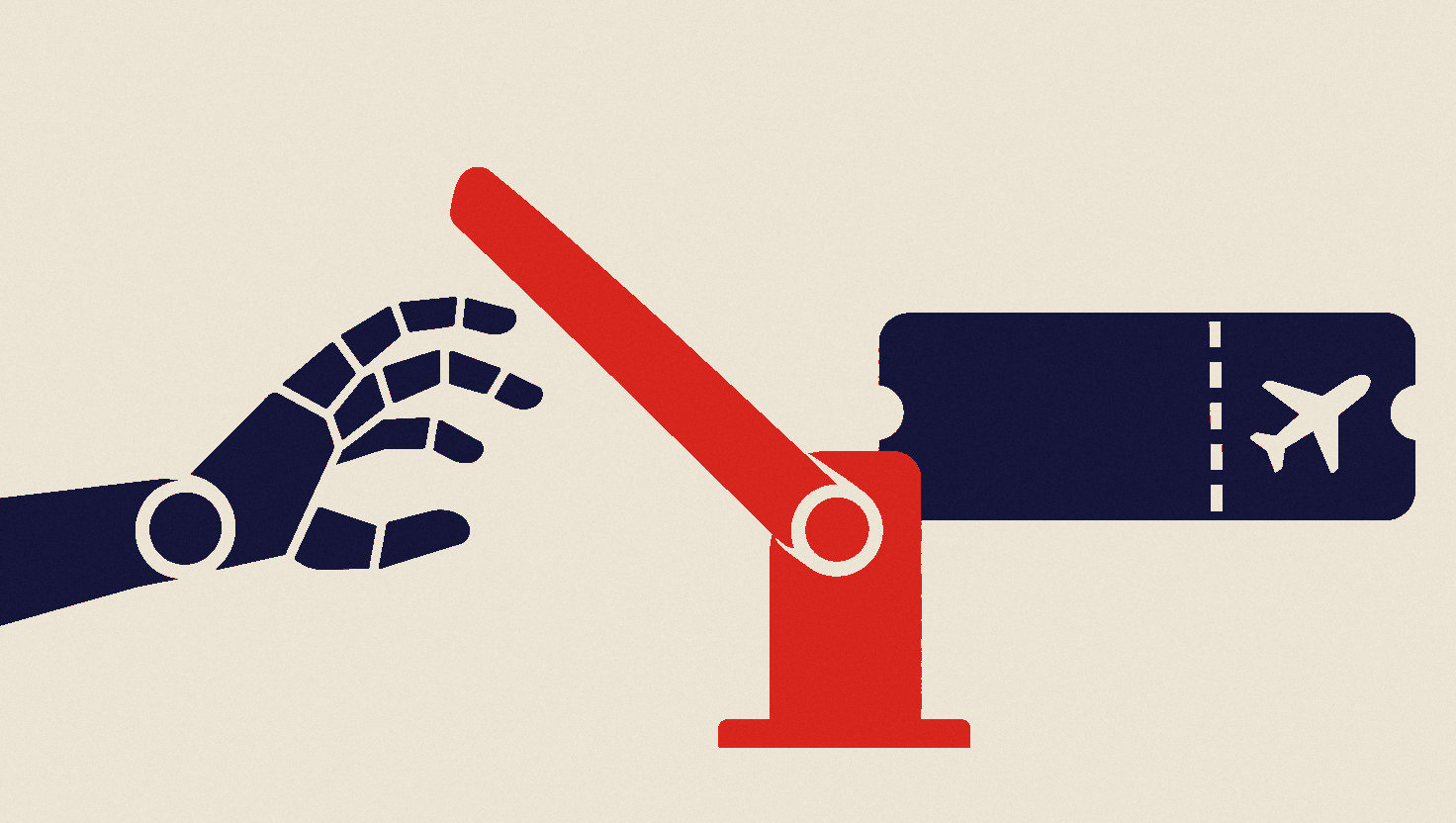
In an Oxford survey this year, one adult in seven across nine countries said they had used an AI assistant for a real task in the past week. Booking a United Airlines flight is no longer one of those tasks. Since 11 November, the US carrier no longer lets outside AI assistants book trips, change bookings or spend frequent-flyer miles for its customers.
The airline announced the new rules on Wednesday. They apply on its website and app, and also to travel agents and booking sites that sell its flights. United is changing its rules for booking and ticketing to match.
What changes for travellers
The ban covers any outside tool that searches, books, buys or manages travel on the United website or app without the airline’s permission. That includes chatbots, browser add-ons and features built into web browsers. A help page for customers lists what is allowed and what is not.
People can still ask a chatbot for ideas, such as where to go in January to avoid crowds. United asks them not to share their account number, password, booking reference or date of birth with such tools. Bookings that an AI assistant made before 11 November will not be cancelled, but the airline advises customers to check that they were ticketed correctly. Tools that help people with disabilities use the site are not affected.
Travel agencies face stricter terms. Any AI tool that an agency builds needs specific permission before it can use United’s fares and seat data. Breaking that rule could cost an agency the right to sell the airline’s tickets. United says it has no approved partners yet.
Privacy, safety and money
United gives two reasons. First, handing login details to an AI assistant from another company could expose personal data and lead to purchases, account changes or use of miles that the customer did not approve. Second, it says automated check-in could break US aviation rules, because a person must confirm that their bags contain no banned items such as explosives.
There may be a commercial motive too. “To be honest, I don’t want to create another middleman,” chief executive Scott Kirby said at an event on 10 November. A business newspaper reported his comment first, and technology sites followed. The airline says it has seen few attempts so far to book flights this way, and it may review the ban as the tools improve.
A minority habit
Only a minority use AI assistants that act on their own. Two in three adults said they had not used one at all in the week before they were asked, while 13% had tried one only to experiment. The figures come from a survey of about 2,000 people in each of nine countries in August and September. Use was highest among the young, at 26% of people aged 18 to 24.
United is not alone. Large banks and online stores have also blocked AI assistants made by other companies this autumn. Earlier this month we argued that such bans on AI shopping tools will not hold for long. Regulators in Britain have also said that firms remain responsible when their own AI tools make mistakes.
Why it matters: Booking travel is one of the main jobs that AI assistants are sold to do. If large airlines block them, the tools can help travellers choose a flight, but a person still has to complete the purchase.