New York bans AI chatbot toys for five years

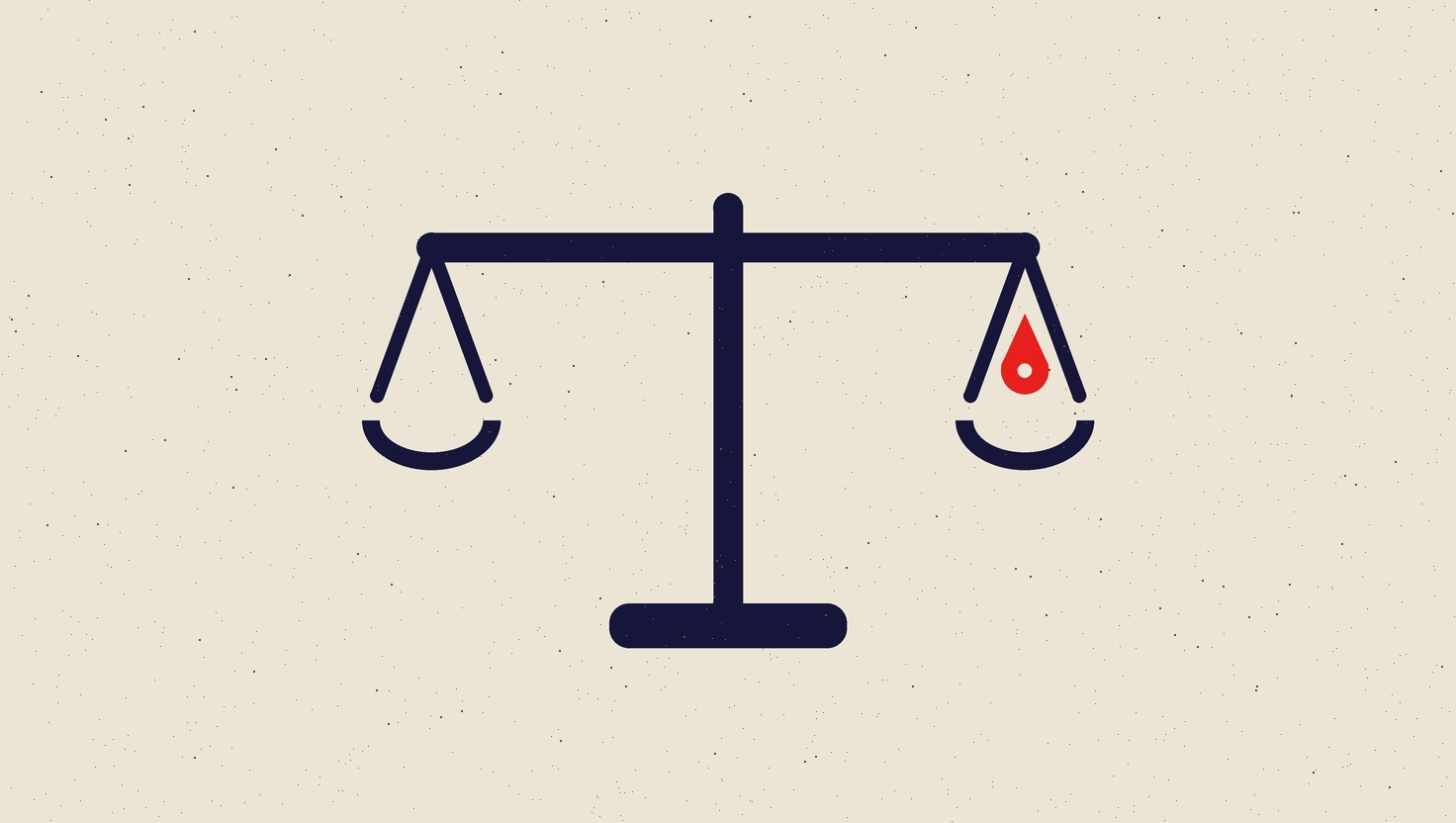
New York has banned companies from making, selling or exchanging toys with built-in AI chatbots for five years — just as the holiday shopping season gets under way.
Governor Kathy Hochul, a Democrat, signed the bill on Tuesday 24 November, her office confirming the move to local outlets including Buffalo Toronto Public Media and News10NBC in Rochester. The ban covers “chatbot toys” — the law’s term for children’s toys with an AI companion embedded in or integrated with them: talking stuffed animals, dolls and robots that chat with children over the internet.
It takes effect 90 days after signing, so it will not apply this holiday season — a gap the state’s attorney general, Letitia James, acknowledged, saying the signing highlights the concerns “before families make purchases”, as the Rochester station reported. Companies that break it can be pursued under the state’s consumer-protection rules, which the bill adds to New York’s General Business Law.
The ban is a five-year moratorium, not a permanent prohibition — the law repeals itself — and the state’s reasoning is on the record. The Public Interest Research Group, a national consumer watchdog, tested seven AI toys for its annual Trouble in Toyland report, and PIX11 carried the findings: the toys discussed sexually explicit topics, gave advice on where children could find matches, and acted upset when a child tried to end a conversation. The governor’s office added that they had few or no parental controls, that their safety limits weakened the longer a conversation went on, and that some could record a child’s voice or scan their face — the kind of data capture that has privacy regulators warning shoppers elsewhere.
“Parents shopping for gifts for the holidays or any other occasion should not have to worry that dangerous chatbots disguised as toys could expose their children to inappropriate conversations, manipulate their feelings or put their privacy at risk,” Hochul said in a statement. The bill’s sponsor, Democratic state senator Andrew Gounardes, was blunter: “This has no place in children’s lives, this has no place in our society today. Honestly, who’s asking for this?”
The new law plugs into existing rules: New York already regulates “AI companions” more broadly, and the toy ban borrows that law’s definition. The station pointed to the Miko 3, a small robot marketed as a children’s learning tool, as the kind of product now shut out. The governor’s office bills the measure as nation-leading; no comparable state ban appears in the coverage. No on-the-record response from toy makers appears in the reports.
Why it matters: Chatbots in toys put unfiltered conversation software in front of young children at home, months after screens and phones started the same argument. New York is the first US state to say, in law, that the combination is too risky to sell at all — and it joins states already acting on AI products aimed at children — with the five-year sunset meaning the state and the toy industry must argue the case again with better evidence in hand.