Dutch groups ask court to halt sales of Meta’s AI glasses
Two Dutch groups asked a court to halt sales of Meta's AI glasses, saying they let wearers film people without their knowledge.

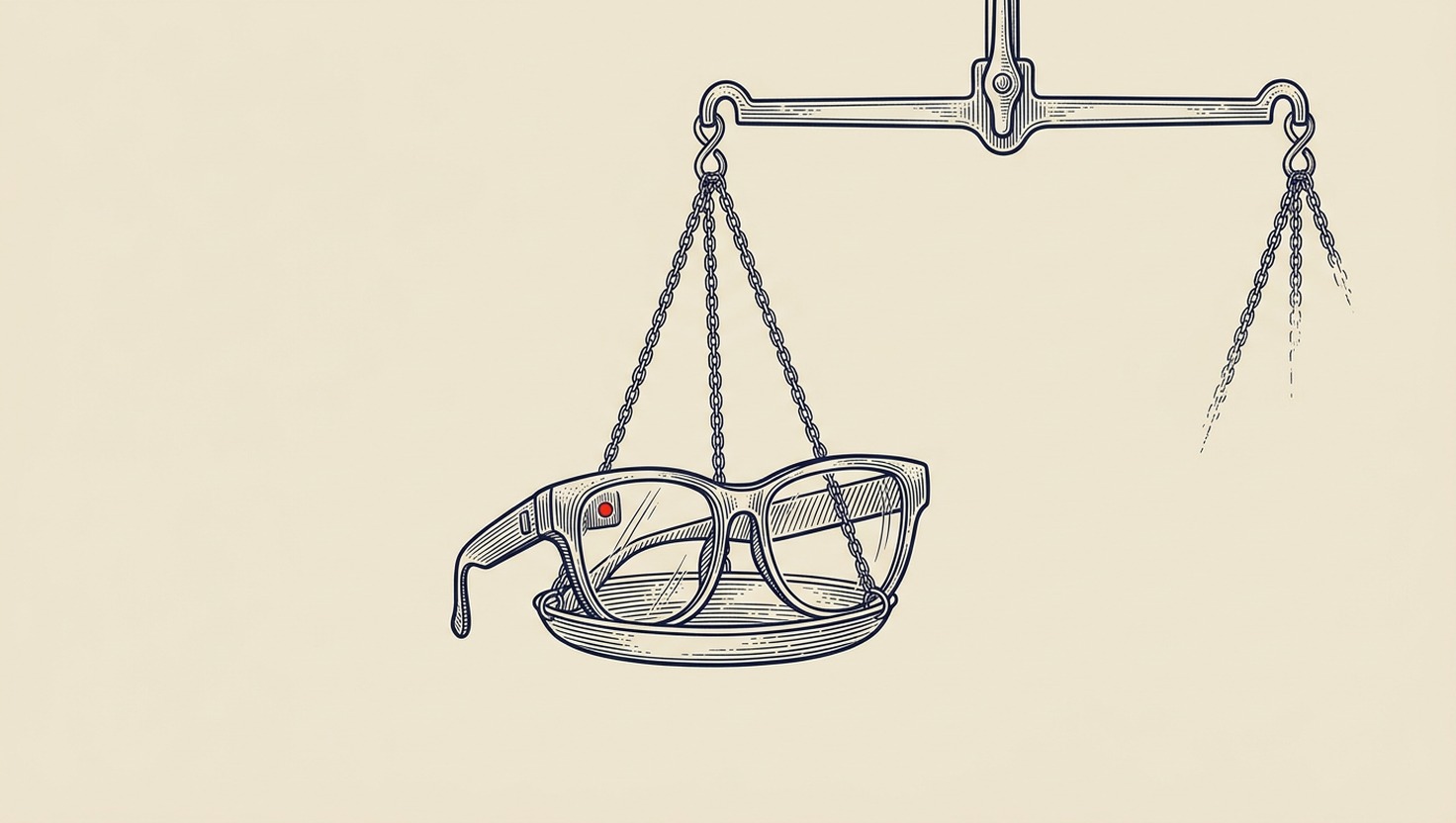
Two Dutch consumer groups asked a court in Amsterdam on Thursday to halt sales of Meta’s AI-powered smart glasses in the Netherlands — arguing the glasses let wearers film people without their knowledge, in breach of European privacy law. The Straits Times carried the Reuters report of the hearing.
The claimants — the consumer association Consumentenbond and Offlimits, which campaigns against online sexual abuse — took Meta and its manufacturing partner EssilorLuxottica, the owner of Ray-Ban, to court in a fast-track civil case. They want Meta ordered to stop covert recording, stop using recordings to train AI models, and halt sales until it complies. They are seeking penalties of 100,000 euros per day per defendant, capped at 100 million euros, the report said.
In opening arguments, Offlimits’ lawyer Karlijn Han said the glasses were being used for what she called “creep shots”. “Covert recordings are undoubtedly also being made during exams, in changing rooms, at swimming pools, in hotel rooms and hospitals, but also in playgrounds and on beaches,” she told the court. “Each invasion of privacy is worse than the last.”
Meta’s lawyer asked the court to reject the case. He argued the demands would harm legitimate users, damage Meta’s competitive position and amount to a product recall without solving the problem of similar devices from other makers. “Providers of products cannot be held responsible for every instance of deliberate misuse,” he said, pointing to the recording light on the frame as the signal that filming is under way. He also denied claims that Meta processes images recorded by the glasses in Europe or uses them to train AI models in breach of European law. A lawyer for EssilorLuxottica said the company neither processes nor has access to footage, and that a sales ban would be disproportionate. These are the companies’ arguments; none of the allegations has been tested by the court, and no ruling has been made.
The case lands in a fast-moving regulatory field. Meta already faces legal pressure over its AI — India’s Congress party is suing the company over automated takedowns — and Germany’s national consumer federation announced its own legal action against Meta and Ray-Ban on Tuesday. The European Data Protection Board — the body that coordinates EU privacy regulators — warned in October that smart glasses raise serious privacy concerns. The Dutch privacy regulator advised consumers in November not to buy smart glasses at all, and the Dutch retail chain Hans Anders suspended sales in October. Meta and EssilorLuxottica sold more than 7 million smart glasses in 2025, about 80 per cent of the global market, the report said.
Why it matters: A summary ruling in Amsterdam could set a precedent, as the report notes — and the same privacy arguments apply across the EU, so the effects would not stay Dutch. The case also tests a question going well beyond glasses: whether a company can be held responsible for a product’s foreseeable misuse, or only for the product itself.