DeepSeek and Moonshot Used GPT-6 Astra to Train Models, Report Says
DeepSeek and Moonshot AI relied heavily on GPT-6 Astra outputs to train Kimi K3.1 Pro and V4.1-Flash 1017, The Information reports, citing unnamed sources.

Two of China’s best-known AI labs leaned heavily on OpenAI’s GPT-6 Astra to train their newest models, according to a report from The Information. Moonshot AI declined to comment and DeepSeek did not respond, according to reports, including The Decoder, which cites The Information. The claim comes from unnamed sources, but it lands a month after OpenAI publicly tied an earlier extraction campaign to people linked to Moonshot.
What was reported
The Information reported on Wednesday 28 October that DeepSeek and Moonshot AI “relied heavily” on outputs from GPT-6 Astra to build their latest models. It cited people with direct knowledge of the matter. Reuters carried the report the same day, attributing it to The Information.
Two models are named. The first is Moonshot’s Kimi K3.1 Pro, which came out last week. The second is DeepSeek’s upgraded V4.1-Flash 1017, which launched on 17 October. According to the report, both benefited from distilling Astra.
Neither company has publicly addressed the specific claim. No evidence has been published showing how much Astra output was used, or how it was collected. In July, Moonshot’s business head Huang Zhenxin denied that its Kimi K3 model was distilled from existing models, crediting its own architecture, a day before the White House accused Moonshot of distilling Anthropic’s Fable to build K3.
What distillation means
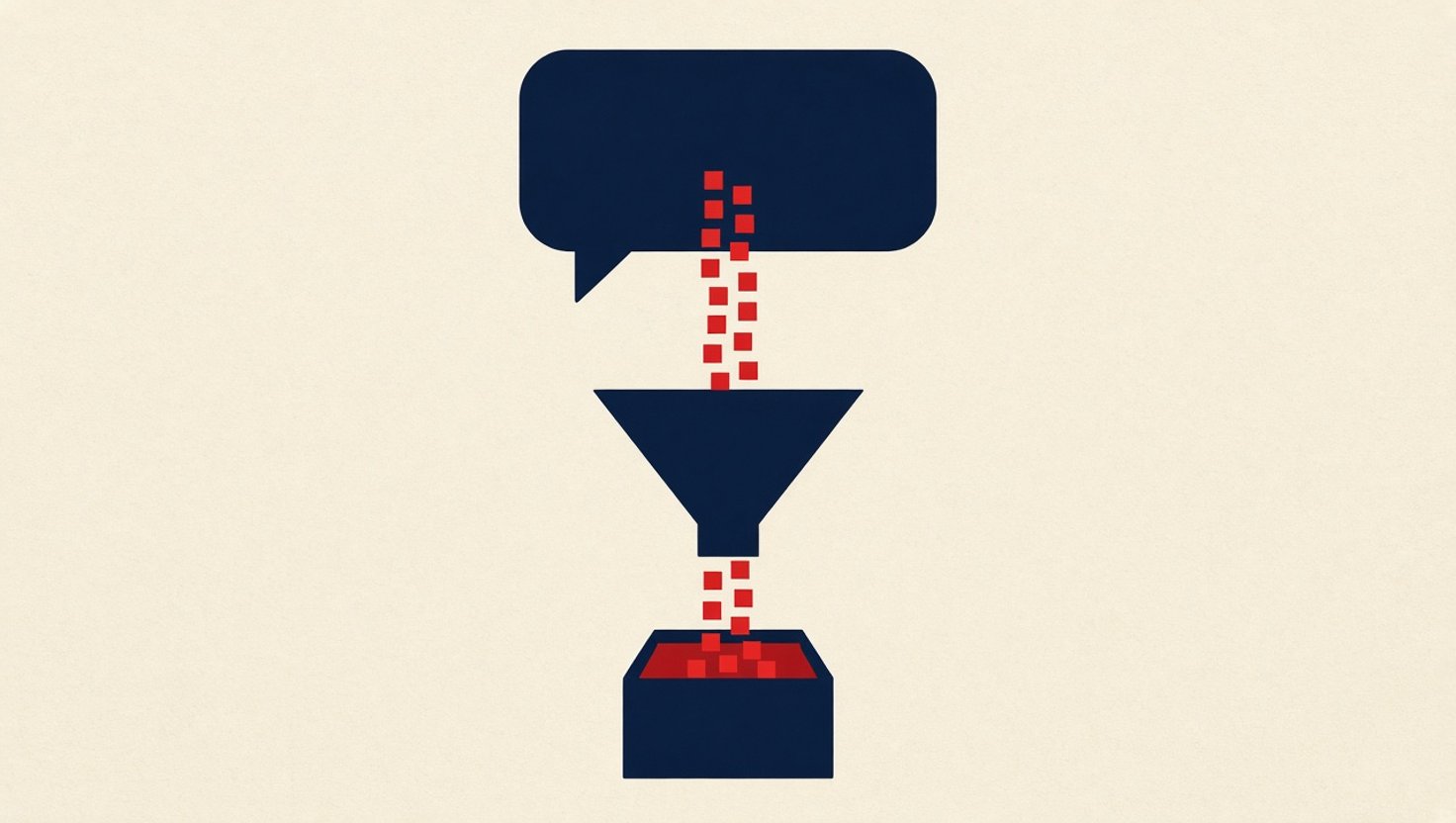
Distillation is a way of training one AI model on the answers of another. A developer sends a stronger model a large number of prompts, saves its replies, and uses them as training data. Done at scale, it can help a smaller or newer model pick up some of a leading model’s skills more quickly and cheaply than building them from scratch.
Distilling your own larger models into smaller ones is a common, legitimate technique. The dispute is about doing it to someone else’s model without permission. Leading US labs argue the practice lets rivals copy advanced capabilities more quickly and cheaply.
OpenAI’s earlier accusation
The report follows a blog post OpenAI published on 30 September. In it, OpenAI said it had found and stopped a coordinated campaign to extract its models’ protected reasoning, meaning the hidden working a model produces before it answers. The activity began on 1 July and spiked on 24 and 25 July, with 16,000 attempted extraction requests from more than 4,000 users. OpenAI said it found related activity across more than 15,000 users and had fully disrupted it by 28 July. It said the campaign violated its terms of service.
OpenAI said it was unclear whether all the operators it observed came from a single actor. It attributed “a core cluster of the activity to individuals associated with Moonshot AI, the developer of Kimi”. The post did not say that any model had been trained on what was extracted, and it did not name Astra. OpenAI also said no encryption, databases or stored user conversations were compromised. An OpenAI spokesperson said the company takes the problem very seriously, The Decoder reported.
Why it matters
If the report is accurate, it suggests that blocking accounts after the fact has not stopped Chinese labs from learning from US frontier models. That raises questions about how much protection API terms really give. Other labs are trying technical fixes. Earlier this month, Anthropic said new measures had cut the data harvested in distillation attacks on its Claude models by about 90% to 99%, Reuters reported.
There is also a policy angle. OpenAI has framed adversarial distillation as a safety and national security risk, because copied capabilities may not carry the original model’s safeguards.
For now, the central claim rests on anonymous sources. The key things to watch are whether OpenAI confirms or adds detail, and whether DeepSeek or Moonshot respond.