Amazon Burned $42.4 Billion of Cash in a Year as It Built for AI
Amazon's spending on data centres and chips outran the cash its businesses brought in by $42.4 billion over 12 months. Sales and profits are still growing. Investors are less sure.

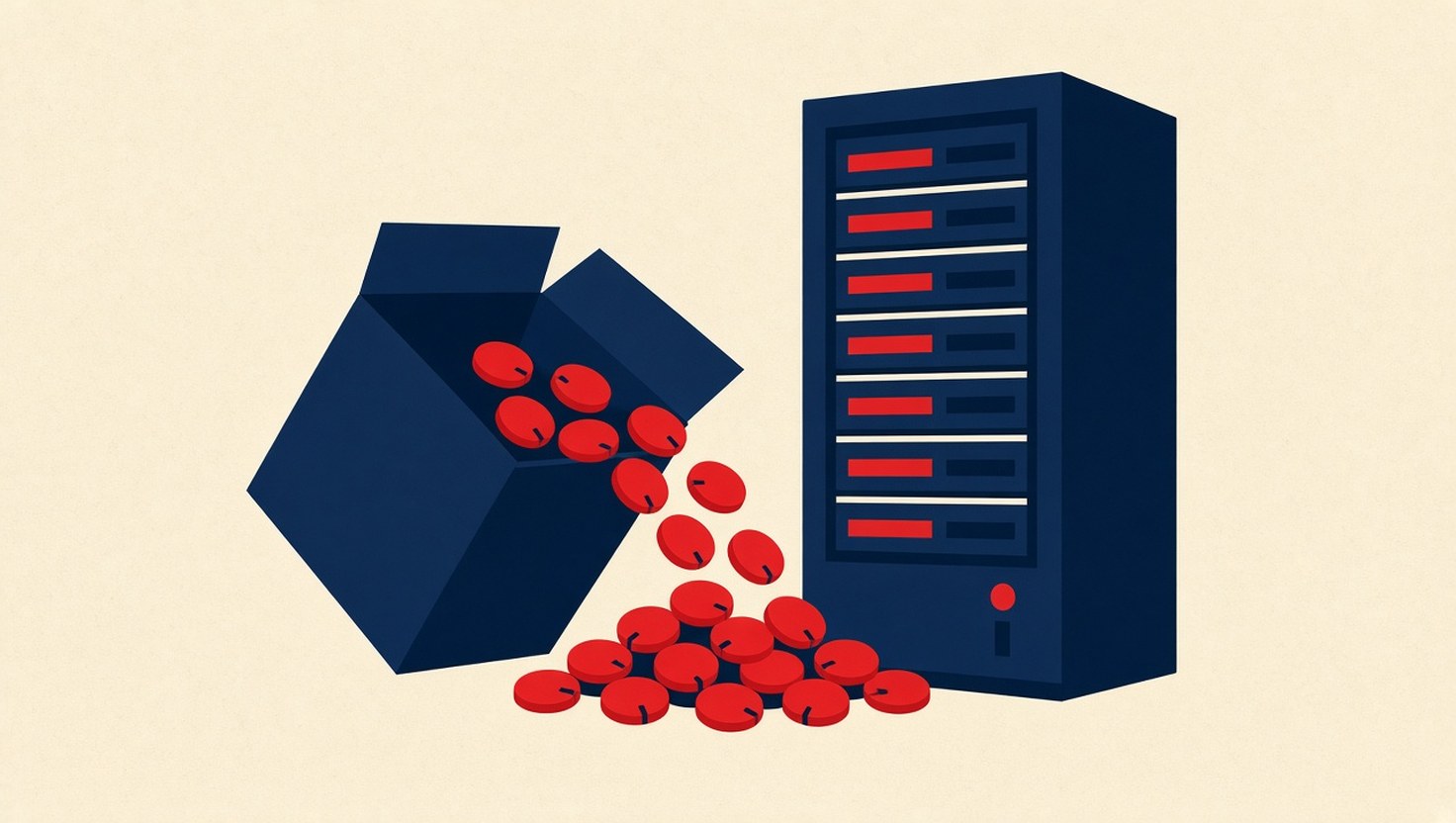
Amazon spent $42.4 billion more cash than its businesses brought in over the past 12 months. A year earlier it had $14.8 billion left over. The reason, the company says, is artificial intelligence. Its results, published on 29 October, show how costly the AI race has become, even for the richest firms.
The numbers
Amazon’s quarterly results put the figure plainly. Free cash flow, the money left after a company pays for its day-to-day running and its new buildings and equipment, was an outflow of $42.4 billion for the 12 months to 30 September. Amazon says this was driven mainly by a $94.8 billion rise in spending on property and equipment, which “primarily reflects investments in artificial intelligence”.
Over those 12 months Amazon spent $210.7 billion on property and equipment, up 82% on a year earlier. Its operations brought in $168.3 billion of cash, up 29%. Spending simply grew faster than income. It still expects to spend about $220 billion on capital projects in 2026.
The business is still growing
This is not a company in trouble. Sales rose 12% to $201.9 billion in the quarter. Operating income, the profit from its core businesses, rose to $28.1 billion from $17.4 billion a year earlier. Amazon Web Services (AWS), the cloud arm that rents computing power to other firms, grew sales 39% to $46.0 billion.
Chief executive Andy Jassy said in the release that the AWS investment “is working” and that he expects AWS revenue to grow by more than 40% in both 2027 and 2028. That is a forecast, not a result. The bet is that the data centres being built now will be rented out at a profit later.
Why investors are nervous
Investors were less patient. Amazon shares fell in early trading on Friday, and Intel dropped 29% after weak guidance, CNBC reported. The day before, Alphabet had its worst one-day fall on record, 13%, after it too reported negative free cash flow.
Across the biggest cloud companies, Microsoft is now the only one still producing positive free cash flow, according to CNBC, and even its cash generation fell 27% to $18.63 billion. We looked at that split in our analysis of Google and Microsoft on Thursday.
What it means
For a reader, the plain point is this. The largest tech companies are no longer paying for AI out of spare cash. They are drawing on reserves, borrowing or raising money to do it. That works as long as the demand for AI computing keeps growing as fast as they expect. If it slows, the bill stays and the payback shrinks.
Anyone holding these shares directly, or through a pension or index fund, is exposed to that bet. Investors who want to follow the numbers across their accounts can use tools such as Kyro, an investing terminal that links brokers and wallets to AI models. The figure to watch next is Amazon’s fourth quarter, the holiday period, when it expects sales of $240 billion to $247 billion.